Launched in 2019 at Kaban’s orchard in Codegua, this project aims to study and preserve local biodiversity by promoting the habitat of endemic and native bees, as well as other pollinators.
The project is led by biologist and researcher Víctor Hugo Monzón, Director of the Bee Ecology Laboratory at the Catholic University of Maule.
Each year, a flora and fauna study is conducted during the spring–summer period, allowing for the diagnosis and comparison of bee populations and their ecological relationships over time, as well as the identification of opportunities to enrich the environment.
Our commitment is to continue strengthening the biodiversity of the Botanical Park, promoting the formation of new bee colonies and the arrival of new species, in harmony with sustainable agricultural production and the active protection of ecosystems.
FIRST STAGE OF THE PROJECT: DIAGNOSIS
Findings on Flora and Native Bee Species
EUCALYPTUS FOREST: Mostly exotic species
EUCALYPTUSEucalyptus globulus Exotic tree
RED RADISHRaphanus sativus Exotic herbaceous plant
SECOND STAGE OF THE PROJECT (2022): AREA DEVELOPMENT
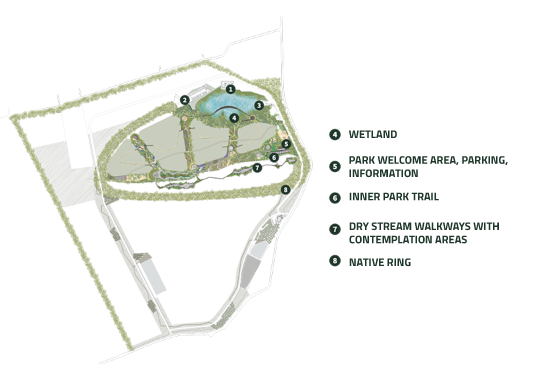
The second phase of the project began with the establishment of plant species and the development of the botanical park, which will promote the permanence and growth of native bee and bumblebee populations within the park.
Commitment to Sustainable Production
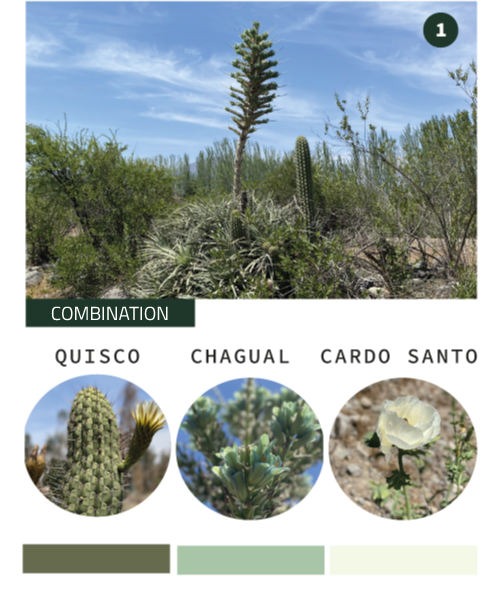
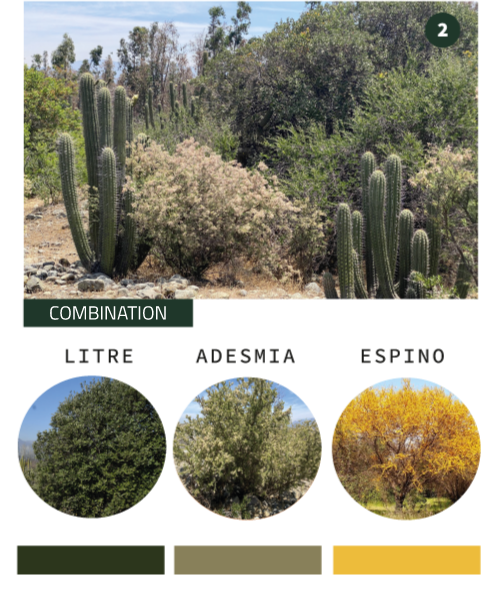
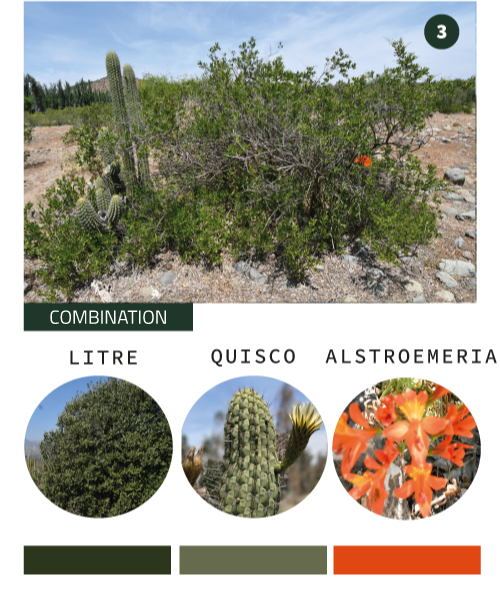
Conceived as a conservation space, the Botanical Park strengthens the existing endemic habitat through the incorporation of native and endemic plant species from central Chile. These species promote the presence of native bees and bumblebees and help enhance the biodiversity of the surrounding agricultural environment.
During the 2024–2025 period, we have identified:
53 bee species
Belonging to the families Andrenidae, Apidae, Colletidae, Halictidae, and Megachilidae, of which 57% are endemic and 36% are native.
70 plant species
Of which 43% are endemic and 23% are native.
A highly representative ecosystem
Located in the intermediate plateau of central Chile, this area also hosts a wide diversity of insects, arachnids, birds, reptiles, and small mammals.